
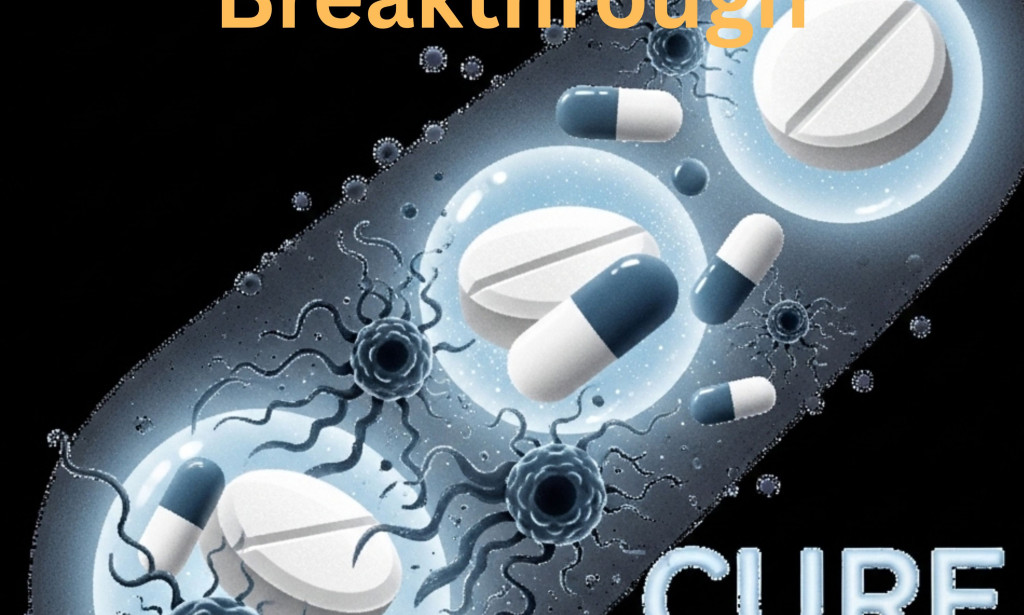
A captivating discussion featuring Dr. John Campbell and his guest, Dr. Maus, is igniting hope and challenging conventional oncology. Their focus? The extraordinary potential of repurposed drugs – medications already in existence, often off-patent, inexpensive, and with decades of established safety data – to revolutionize cancer treatment. This approach suggests that solutions to complex diseases like cancer might be found not in costly new discoveries, but in the overlooked capabilities of familiar pharmaceuticals.1
Ivermectin: An Antiparasitic's Unexpected Role in Oncology
Dr. Maus's journey into the world of repurposed drugs began with his research into early COVID-19 treatments, specifically Ivermectin. What he unearthed was a revelation: over 300 peer-reviewed preclinical studies demonstrating Ivermectin's anti-cancer properties. This extensive body of research, primarily conducted in cell lines and animal models, is described as both impressive and compelling.
Ivermectin appears to function as a broad-spectrum anti-cancer agent, showing efficacy across a wide range of malignancies, from various blood cancers to solid tumors. Its proposed mechanisms of action are diverse and impactful:
Targeting Cancer Stem Cells: These are often chemotherapy-resistant cells responsible for metastasis and recurrence.2 Ivermectin shows promise in inhibiting them.
Reversing Multi-Drug Resistance: It can re-sensitize cancer cells, making them more vulnerable to traditional chemotherapy drugs.
Radio-sensitizer: Ivermectin may enhance the effectiveness of radiation therapy against cancer cells.
Inhibiting Angiogenesis: It can disrupt the formation of new blood vessels that tumors require for growth and survival.
Blocking Metastasis: The drug may prevent cancer cells from spreading by inhibiting crucial enzymes.
Despite this torrent of promising preclinical data, a significant hurdle remains: the lack of large-scale human clinical trials. The financial incentive for such trials is minimal, given Ivermectin's off-patent and inexpensive nature.3
Fenbendazole and Mebendazole: Beyond the Dewormer Debate
Another class of antiparasitic drugs, benzimidazoles, including Fenbendazole and Mebendazole, has also garnered significant attention for their surprising anti-cancer potential.
Fenbendazole: This compound rose to prominence through the widely publicized case of Joe Tippens, who anecdotally reported curing his terminal small cell lung cancer using this veterinary dewormer. Lending further weight to these claims, Stanford University Medical Center later published case reports detailing three patients who achieved remission from stage 4 cancer after conventional treatments failed, attributing their success to Fenbendazole.
Mebendazole: The FDA-approved human equivalent of Fenbendazole, Mebendazole possesses an excellent safety profile. It is currently undergoing investigation in approximately a dozen clinical trials for various cancers, including colon, prostate, and pediatric brain cancers. One particularly fascinating mechanism involves Mebendazole's ability to block glucose transporters on cancer cells, effectively starving them of essential energy.
Practical Application and Dosing Considerations
Dr. Maus shared insights from his experience coaching cancer patients who have explored these repurposed drugs, often with encouraging results. He highlighted the potential for synergy when these drugs are used in conjunction with conventional treatments like chemotherapy and radiation.
While individual medical advice is paramount, the discussion touched upon general dosing approaches:
-
Ivermectin: A common starting point for intermediate to high-grade cancers is around 1 mg/kg/day. Lower doses (0.5 mg/kg/day) might be considered for low-grade cancers (e.g., CLL, multiple myeloma) or for inflammatory conditions. An initial 3-month trial period is suggested, followed by reassessment. Transient visual disturbances have been noted but typically resolve. Higher doses require more caution, particularly in elderly patients. The most impactful results are often seen when Ivermectin is combined with chemotherapy, potentially even reducing chemotherapy's side effects.
-
Fenbendazole/Mebendazole: A typical approach involves 1000 mg/day, split into two doses, taken six days on and one day off. For low-grade or early-stage cancers, 500 mg/day may be considered. Similar to Ivermectin, an initial 3-month protocol is suggested. Rare, transient elevations in liver enzymes have been observed, normalizing upon dose adjustment or cessation. Mebendazole is often favored for brain tumors due to its better blood-brain barrier penetration, and for certain cancers like ovarian, squamous cell carcinomas, breast cancers, and sarcomas, based on preclinical data.
The Road Ahead: Challenges and Resurgent Hope
A significant barrier to wider adoption of these repurposed drugs is the resistance from mainstream oncology, often rooted in rigid guidelines and the glaring absence of financial incentives for large-scale research. Consequently, many patients are reluctant to disclose their use of these medications to their oncologists, fearing negative repercussions or even discontinuation of conventional treatments. This lack of open communication unfortunately hinders critical data collection and understanding.
Despite these formidable challenges, a strong current of optimism is emerging. Information is rapidly disseminating through alternative channels, fostering hope that with evolving administrative priorities and a greater emphasis on patient well-being over corporate profits, research into repurposed drugs will receive the necessary support to integrate into mainstream cancer care. The importance of holistic support, including maintaining adequate Vitamin D levels, was also underscored as crucial for overall health.
This pivotal conversation underscores a vital call for open-mindedness, scientific curiosity, and a patient-first approach in oncology. Exploring every promising avenue, especially those that are safe, affordable, and grounded in robust scientific rationale, holds the key to truly transforming the landscape of cancer treatment.

You must be logged in to post a comment.