
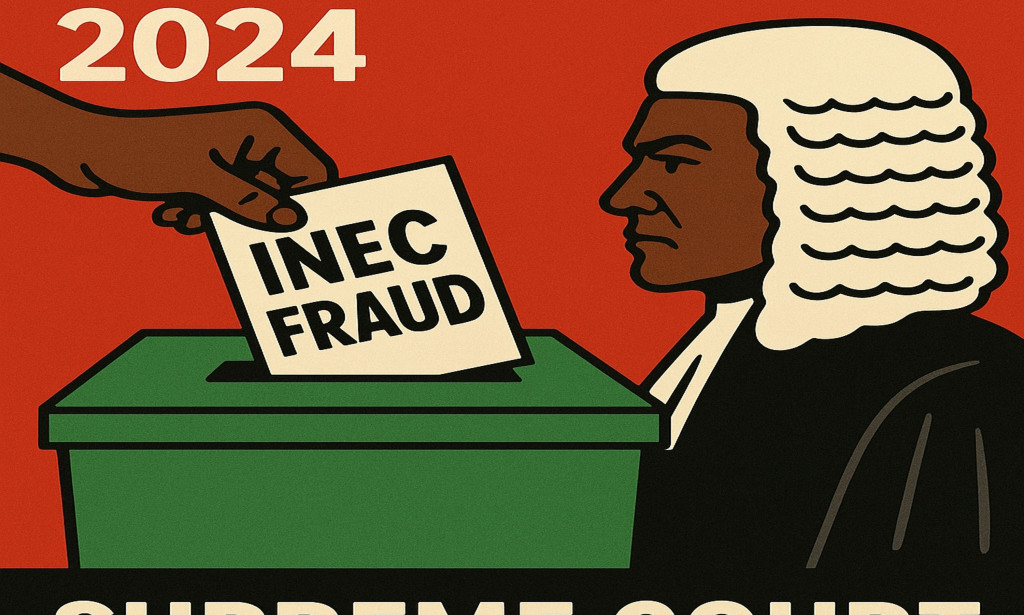
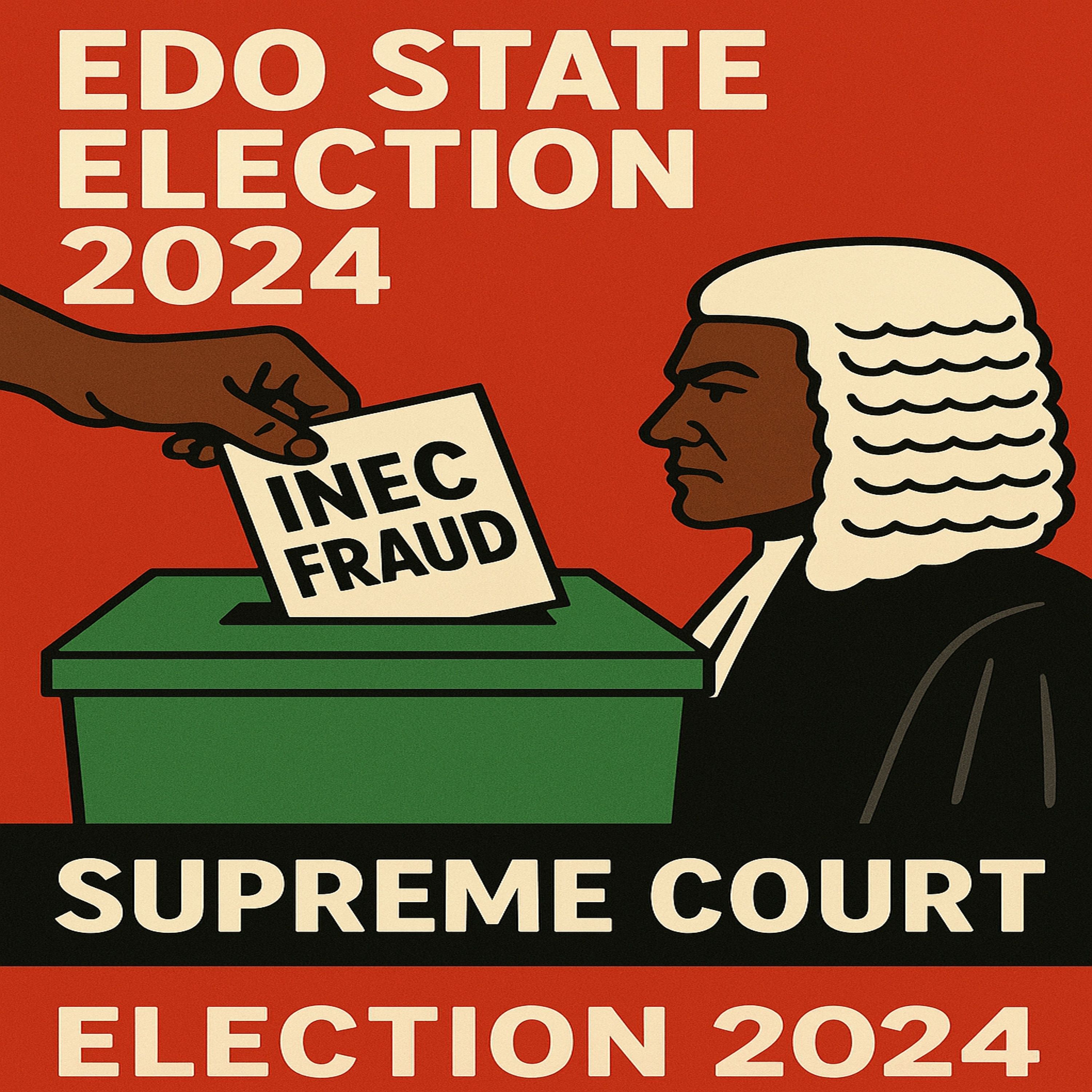
 The timing of this enormous borrowing raises serious questions about proper governance during a period when the government's very legitimacy remains in dispute. The September 21, 2024 governorship election is still being contested, with the PDP and their candidate Asue Ighodalo maintaining that the election was riddled with irregularities and wrongdoing. Even though both the Election Petition Tribunal and the Court of Appeal have dismissed their challenges, the case has now gone to Nigeria's Supreme Court. Remarkably, the N100 billion loan request and approval happened whilst this Supreme Court case is still pending, creating an extraordinary situation where a government fighting for its political life is making massive financial commitments.
This ongoing legal battle raises troubling questions about whether such significant borrowing should be allowed during disputed governance. Should any government whose mandate is being challenged in the highest court be permitted to saddle future generations with such enormous debt? Opposition critics rightly argue that "Edo's resources belong to the people, not to any party or individual seeking to hold on to power through the courts." Around the world, responsible governments facing electoral challenges typically show restraint with major financial decisions, allowing any new administration to make their own choices. This administration has chosen a different path entirely.
The fact that this loan approval happened so close to the pending Supreme Court judgement creates a deeply problematic situation for good governance. Critics have pointed out that "this lack of transparency is especially troubling given the prevailing political context." What we're seeing here flies in the face of established democratic norms and raises uncomfortable questions about the motives behind such urgent borrowing.
The opposition has branded the borrowing as "reckless" and suggested it could serve "endless lists of godfathers and political thugs." Whilst these are political claims, they highlight genuine public concerns about trust and accountability during these uncertain times. The controversy exposes glaring weaknesses in Nigeria's oversight systems, particularly around preventing questionable borrowing during electoral disputes and ensuring proper public consultation on major financial decisions.
This situation sets a worrying precedent where governments under legal challenge can potentially use massive public borrowing to strengthen their political positions whilst court cases remain unresolved. It challenges the very foundations of democratic accountability and responsible financial management in Nigerian politics, leaving citizens to wonder whether their resources are being protected or exploited during this period of contested governance.

You must be logged in to post a comment.