
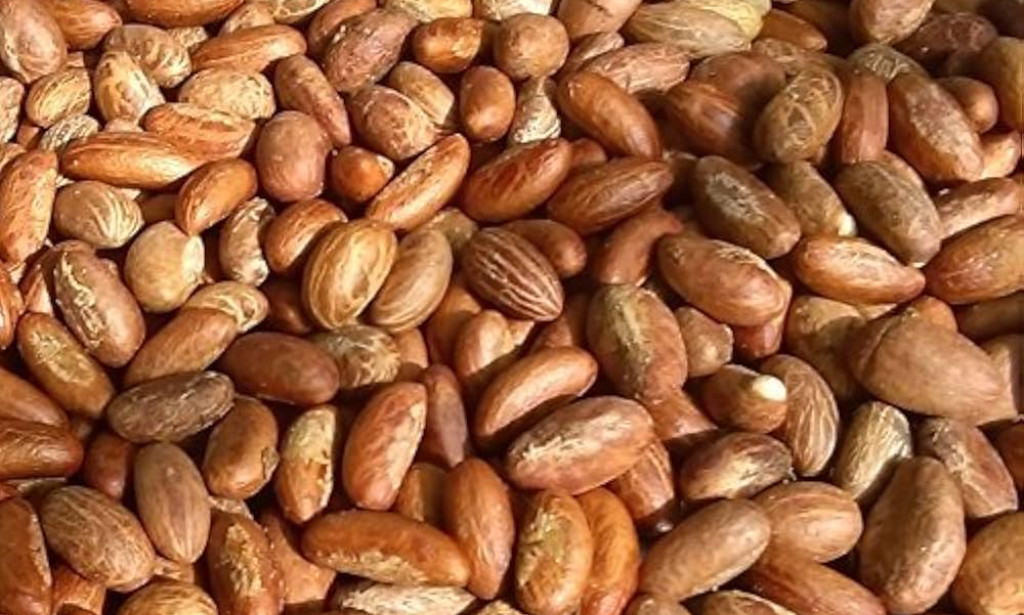

Bitter kola (Garcinia kola) has long been used in West African traditional medicine for liver ailments – the seed extract is even a folk remedy for inflammation and liver cirrhosis. Modern research has isolated bioactive compounds from bitter kola (notably a biflavonoid complex called kolaviron) and investigated their impact on liver health. Below is a summary of scientific evidence – largely from animal and laboratory studies – on bitter kola’s effects in fatty liver disease (such as NAFLD) and cirrhosis, focusing on biochemical effects, experimental trials, safety, and mechanisms.
Biochemical Effects on Liver Enzymes and Function
Studies indicate that bitter kola extracts can favorably modulate liver enzyme levels and improve liver function in injury models. For example, kolaviron (the major bitter kola flavonoid extract) significantly lowered elevated liver enzymes in rats with chemical-induced liver damage. In a fibrosis model (using dimethylnitrosamine, DMN), kolaviron reduced serum transaminases (ALT, AST) and gamma-glutamyl transferase (GGT) that had been raised by toxin exposure. Treated rats’ liver histology was better preserved compared to untreated controls, indicating protection of hepatocyte integrity. Similarly, other animal studies have noted improvements in liver function biomarkers (like ALT, AST) when bitter kola seed extracts are given prior to or alongside liver toxins. These biochemical benefits are attributed to bitter kola’s antioxidant and anti-inflammatory actions (see Mechanisms below), which help limit liver cell injury and promote a more normal enzyme profile during toxic or metabolic stress.
Effects in Fatty Liver Disease (NAFLD) Models
Evidence from non-alcoholic fatty liver disease (NAFLD) models – particularly in animals – suggests bitter kola may ameliorate fat accumulation and metabolic derangements in the liver:
-
High-Fat Diet/Diabetic NAFLD in Rats: A recent 2025 study in a combined type 2 diabetes and NAFLD rat model found that an ethanol extract of G. kola (EGK) dramatically improved liver health. Treated rats showed lower liver fat deposition, reduced oxidative stress markers, and decreased inflammatory cytokines in the liver (all P<0.01 vs. untreated). Histopathology confirmed that bitter kola extract attenuated fatty liver changes and liver injury caused by the diabetic, high-fat diet condition. Mechanistically, bitter kola suppressed the hepatic SREBP-1c pathway, a key driver of fat synthesis in NAFLD, indicating it helped inhibit lipogenesis. By the end of the trial, EGK-treated rats had improved metabolic indicators (lower blood glucose and normalized body weight) alongside healthier livers.
-
Cell Culture (HepG2) Model: In vitro experiments support these findings. Garcinia biflavonoid-1 (GB1) – an active molecule isolated from G. kola seeds – was tested on human liver cells overloaded with fatty acids. GB1 significantly reduced intracellular triglyceride buildup (steatosis) in the liver cells. It also lowered markers of oxidative stress and inflammatory signaling in the cells. Notably, GB1 upregulated PPARα and SIRT6 expression, which are involved in fatty acid oxidation and metabolic regulation. The anti-fat effect was lost in cells where PPARα was knocked out, suggesting bitter kola’s component works by activating PPARα, a pathway that enhances fat burning in the liver. This mechanism further supports the potential of bitter kola constituents to counteract fatty liver changes at the cellular level.
Overall, these preclinical models of NAFLD consistently show that bitter kola can reduce liver fat accumulation, improve the oxidative/inflammatory environment of the liver, and favorably modulate metabolic regulators. However, it must be emphasized that these results are from animal and cell studies; no clinical trials in NAFLD patients have confirmed such benefits yet (see Conclusion).
Hepatoprotective Effects in Liver Injury and Cirrhosis Models
Beyond simple fatty liver, bitter kola’s bioflavonoids have demonstrated hepatoprotective effects in more severe liver injury models that mimic fibrosis or cirrhosis:
-
Chemical Toxin Injury: Early studies by Iwu et al. (1987) and others showed that kolaviron prevents liver damage from potent toxins. In rats exposed to carbon tetrachloride (CCl₄) – a chemical that induces severe liver necrosis and fibrosis – bitter kola biflavonoids markedly protected the liver. Similarly, G. kola extract prevented liver injuries caused by toxic compounds like α-amanitin and phalloidin (poisons from poisonous mushrooms), as evidenced by better survival of liver cells and lower toxicity markers. These results gave some of the first scientific validation to bitter kola’s “anti-hepatotoxic” reputation.
-
Fibrosis (Cirrhosis) Model: In a model of chronic liver injury known to produce fibrosis (dimethylnitrosamine-treated rats), bitter kola showed significant protective effects. Oral kolaviron (100–200 mg/kg) given for 1 week blunted the rise of liver enzymes caused by DMN and preserved liver structure on histology. It also reduced malondialdehyde (MDA) levels (an indicator of lipid peroxidation) while restoring glutathione levels, indicating strong antioxidant action in the liver. Notably, kolaviron’s efficacy in this study was comparable to curcumin, a known hepatoprotective antioxidant used as a positive control. This suggests bitter kola’s effects are on par with some established liver-protective agents in mitigating fibrogenic liver injury. Additionally, kolaviron-treated livers had much lower expression of COX-2 and iNOS (pro-inflammatory enzymes upregulated during chronic injury) relative to untreated fibrotic livers. Researchers found that kolaviron blocked the activation of NF-κB and AP-1 – key transcription factors that drive inflammation – thereby explaining the lowered COX-2/iNOS levels. By suppressing these inflammatory pathways, bitter kola’s compounds helped reduce ongoing liver inflammation and potentially slowed the progression of fibrosis.
-
Drug-Induced Hepatotoxicity: Bitter kola has also shown promise in protecting the liver from pharmaceutical injury. An experiment in 2017 examined diclofenac (a NSAID painkiller) overdose in rats, which normally causes significant liver toxicity. Rats pre-treated with kolaviron (100–200 mg/kg) had much less liver damage from diclofenac: liver enzymes and tissue morphology were significantly closer to normal, comparable to rats given a commercial hepatoprotective supplement (Livolin Forte). The authors noted kolaviron’s anti-inflammatory and antioxidant actions as the reason for this protection, and only extremely high doses of kolaviron (≈400 mg/kg) appeared to produce any liver stress. This reaffirms a wide therapeutic window for bitter kola’s beneficial effects in the liver.
In sum, a range of animal studies demonstrate hepatoprotective effects of bitter kola against toxins, drugs, and fibrogenic agents. These models simulate aspects of cirrhosis or severe liver injury, and bitter kola consistently helped shield the liver, reduce biochemical signs of damage, and improve survival of liver cells in these settings. While promising, these results are preclinical; direct evidence in human cirrhosis is not yet available.
Mechanisms of Action
Why might bitter kola benefit the liver? Research points to several biochemical mechanisms behind its protective effects:
-
Antioxidant Activity: Bitter kola seeds are rich in flavonoids (kolaviron includes GB1, GB2, etc.), which are natural antioxidants. Kolaviron scavenges reactive oxygen species and boosts antioxidant defenses (e.g. maintaining glutathione levels) in liver cells. By reducing oxidative stress, it prevents lipid peroxidation of liver cell membranes and DNA damage that contribute to liver injury.
-
Anti-Inflammatory Effects: Bitter kola’s compounds have demonstrated a potent ability to down-regulate inflammation in the liver. Kolaviron suppresses the induction of cyclooxygenase-2 (COX-2) and inducible nitric oxide synthase (iNOS) – enzymes that drive inflammatory damage – during liver injury. It achieves this by blocking activation of NF-κB and AP-1, transcription factors that normally turn on pro-inflammatory genes. This results in lower levels of inflammatory cytokines (like TNF-α) and overall reduced inflammation in the liver environment.
-
Modulation of Lipid Metabolism: In the context of fatty liver disease, bitter kola appears to improve lipid metabolism. The bitter kola biflavonoid GB1 was shown to activate PPARα, a nuclear receptor that increases fatty acid oxidation in liver cells. Activation of PPARα (and downstream targets like SIRT6) shifts the liver toward burning fat rather than storing it, helping to clear accumulated triglycerides. Concurrently, bitter kola extracts inhibit SREBP-1c signaling, which means less activation of genes for new fat synthesis. This one-two punch – boosting fat breakdown and curbing fat creation – underlies the reduced steatosis seen in bitter kola–treated NAFLD models.
-
Metabolic and Other Effects: Bitter kola may exert additional beneficial effects such as improving blood glucose control (observed in diabetic rat studies), which indirectly benefits the liver by reducing glucotoxicity and de novo lipogenesis associated with insulin resistance. Some studies also suggest immunomodulatory effects of kolaviron that could protect the liver in chronic disease states. However, these pathways are still being elucidated.
Overall, bitter kola’s hepatoprotective actions are thought to derive from an integrated antioxidant, anti-inflammatory, and metabolic regulatory effect on liver cells.
Safety Profile and Dosage Considerations
One reason Garcinia kola is being explored scientifically is its relatively favorable safety record. Bitter kola seeds are commonly chewed as a snack or traditional remedy, and are generally regarded as safe in customary amounts. Studies report that the seeds have no known acute toxicity and no reports of harmful overdose in humans. In fact, the plant has been used for generations in folk medicine, suggesting a good toxicological profile.
Controlled animal studies support this safety profile: low-to-moderate doses of kolaviron (e.g. 100–200 mg/kg in rats) consistently showed protective effects without harm. Even at these doses, bitter kola’s efficacy was on par with standard hepatoprotective drugs, and no adverse effects were observed in liver or other organs. Only when extremely high doses were tested (on the order of 400 mg/kg in animal experiments) did researchers note potential negative effects on the liver. Those high levels led to speculation that excessive intake might strain the liver, but such doses far exceed what a human would normally consume. In typical use, bitter kola is not associated with liver toxicity; rather, it has been considered liver-friendly in the doses studied.
Nevertheless, it’s important to note that human metabolism and dosing can differ from animals. While no serious side effects have been reported anecdotally, comprehensive human safety trials have not yet been conducted. People with existing liver disease should thus exercise caution and consult medical advice before using high amounts of any herbal remedy, including bitter kola.
Conclusion and Evidence Gaps
In summary, preclinical evidence suggests that bitter kola harbors beneficial properties for the liver. Its bioactive components can lower liver enzymes, reduce fat accumulation, and protect liver cells from injury in animal models of fatty liver disease and toxin-induced cirrhosis. The mechanisms – antioxidant activity, inflammation reduction, and metabolic regulation – are well-substantiated in laboratory studies. These findings align with bitter kola’s traditional reputation as a remedy for liver problems.
However, it must be emphasized that the clinical evidence in humans is lacking. To date, no peer-reviewed clinical trials have tested bitter kola in patients with NAFLD, hepatitis, or cirrhosis. All available data come from in vitro experiments and animal studies. While these studies are promising, they are not a substitute for human research. The effectiveness and safety of bitter kola in treating fatty liver disease or reversing cirrhosis in people remain unproven at this time. Experts consider the evidence inconclusive pending well-designed clinical trials.
In conclusion, bitter kola (Garcinia kola) shows potential as a hepatoprotective supplement – it can favorably influence liver enzymes, histology, and biochemical pathways in experimental settings. It is also relatively safe in traditional use. Nevertheless, rigorous clinical studies are needed to determine if these benefits translate to human patients with fatty liver disease or cirrhosis. Until then, any use of bitter kola for liver health should be considered experimental and done under medical guidance. The current scientific evidence, while encouraging, is not yet sufficient to recommend bitter kola as a proven therapy for fatty liver or cirrhosis.
Sources:
-
IJBMS (2025) – Sun et al.: G. kola extract alleviating NAFLD in diabetic rats
-
Molecules (2022) – Chen et al.: G. kola biflavonoid improving lipid metabolism in liver cells
-
Life Sci. (2009) – Farombi et al.: kolaviron protecting against fibrotic liver injury via NF-κB/AP-1 inhibition
-
J. Ethnopharmacol. (1987) – Iwu et al.: anti-hepatotoxic activity of G. kola biflavonoids in toxin-induced liver injury
-
Pathophysiology (2017) – Alabi et al.: kolaviron attenuating diclofenac-induced hepatotoxicity (comparable to standard therapy)
-
MDPI – Forests (2019) – Maňourová et al. (Review): medicinal uses and pharmacology of bitter kola (traditional use and safety).

You must be logged in to post a comment.