
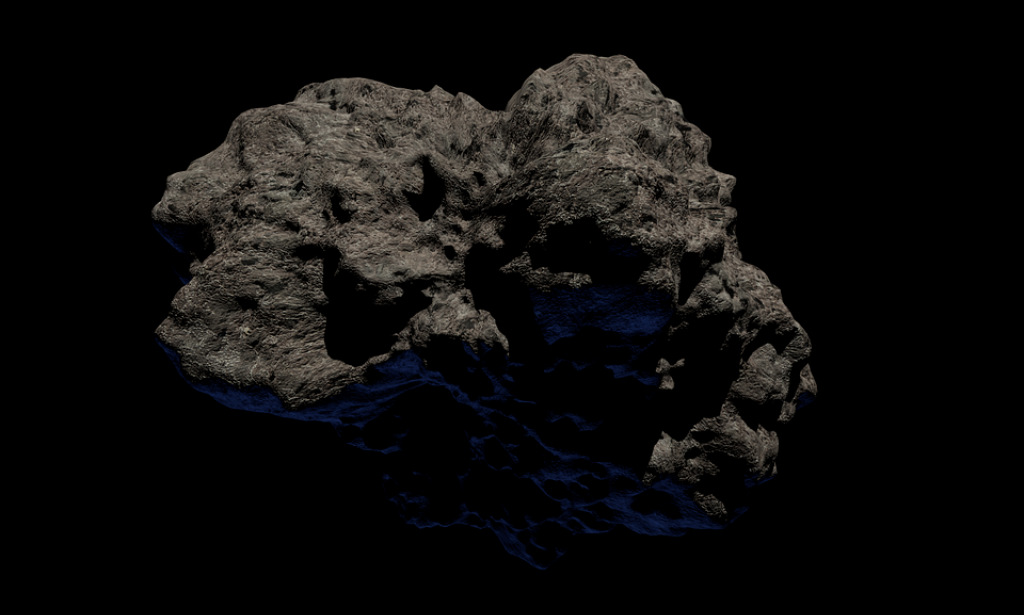
Life was brought to Earth from space. New research suggests
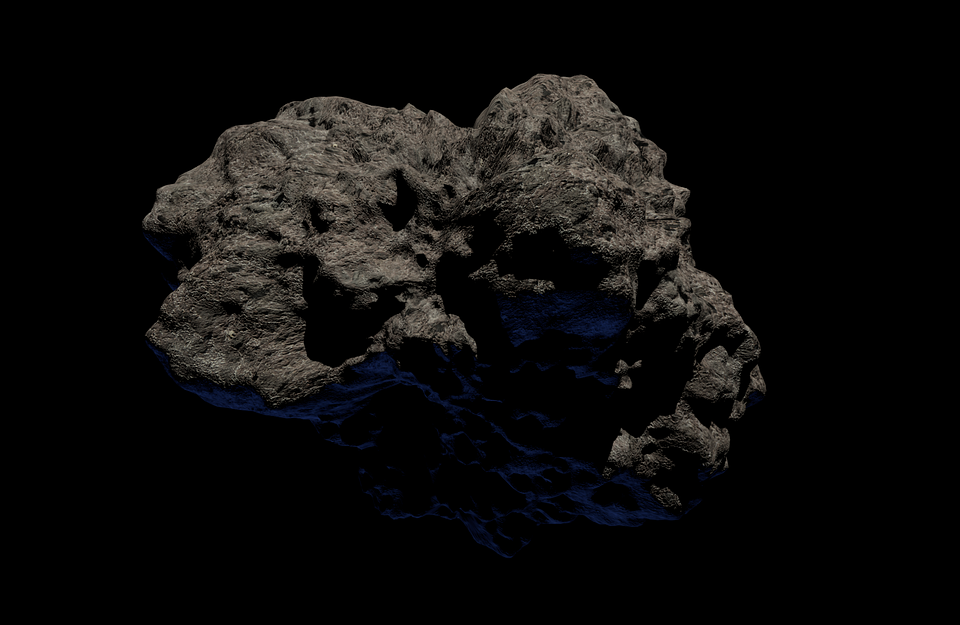
A research released earlier this week discovered that all five crucial "ingredients" needed to build DNA may be found on asteroids, bolstering a hypothesis that the seeds of life could have been physically transported to Earth from space. According to an article published this week in the peer-reviewed Nature Communications journal, a group of scientists has identified the remaining two parts of the DNA jigsaw that had previously not been detected in any meteorite samples.
The genetic underpinning of all known living things on Earth, DNA and RNA, is made up of five main informational components termed nucleobases. Until now, scientists have only been able to discover three of the five in meteorite samples, indicating that they may be found.
,The team, which consists of scientists from the US and Japan, has studied three carbonaceous meteorites that fell in Australia, the US and Canada and they have managed to identify the remaining two components that had eluded researchers.
The newly found nucleobases cytosine and thymine may have previously slipped scientists' notice due to their fragile structure, which means they might have been destroyed due to the nature of past investigations, according to NASA, which also participated to the research.
Previous experiments involved placing meteorite samples into hot liquids and analyzing the resulting solution. However, Oda’s team used another method that “is more like cold brew than hot tea and is able to pull out more delicate compounds,” said Jason Dworkin, a co-author of the paper at NASA Goddard Space Flight Center in Greenbelt, Maryland.
“We now have evidence that the complete set of nucleobases used in life today could have been available on Earth when life emerged,” Danny Glavin, another researcher at the Goddard center, has said.

You must be logged in to post a comment.