
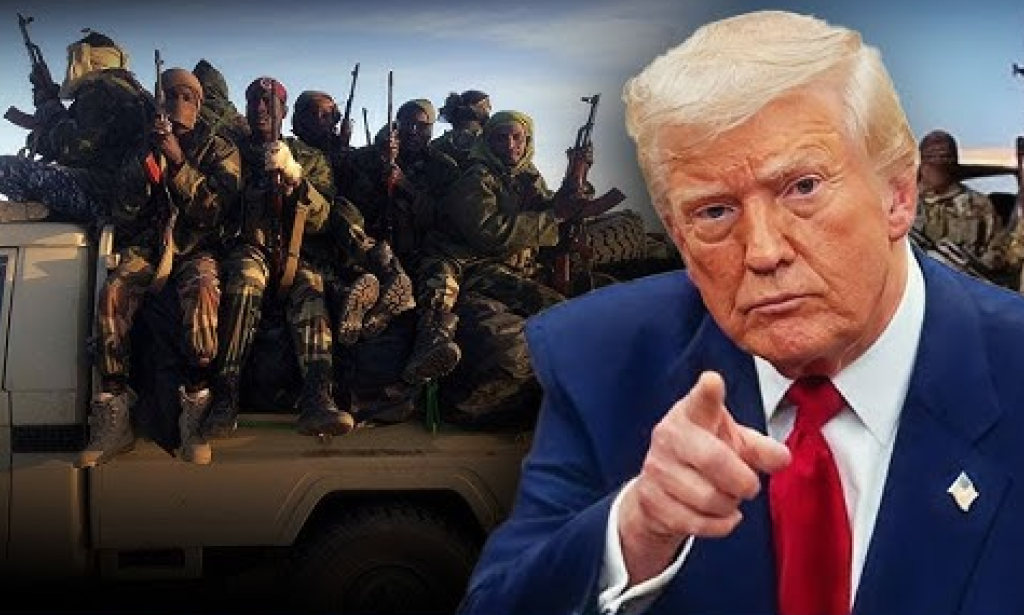
Nigeria continues to grapple with a deepening crisis of insecurity that threatens both national stability and citizens’ safety. From terrorism and banditry to kidnapping and communal clashes, the situation has reached alarming levels. Recent comments by former United States President Donald Trump have reignited global conversations about Nigeria’s deteriorating security conditions. However, rather than addressing the concerns raised, many politicians within the ruling All Progressives Congress (APC) have responded with denial and defensiveness—an approach that does little to inspire confidence among Nigerians or the international community.
The Reality Behind Trump’s Statement
Trump’s remarks, though blunt, reflect a truth that many Nigerians live with daily. The persistent killings, kidnappings, and attacks across the country have exposed the weaknesses of Nigeria’s security architecture. Yet, instead of confronting these realities, some APC politicians have dismissed Trump’s observations as “uninformed” or “unpatriotic.”
Behind the scenes, however, they understand that his concerns are valid. Their public denial stems not from ignorance but from political self-interest and fear of accountability. Accepting the truth would mean admitting that the government has failed to protect its citizens and confront the systemic corruption that fuels insecurity.
Those Benefiting from the Crisis
It is increasingly evident that some individuals and groups are benefiting from Nigeria’s insecurity. For certain political elites and contractors, chaos has become a source of wealth. Funds meant for defense and counter-terrorism operations are frequently diverted or misused, while key figures profit from inflated security contracts.
Even more alarming are credible allegations that some clerics and politicians are sponsoring violent groups for personal or ideological gains. These individuals exploit ethnic and religious sentiments to divide communities and maintain influence. Their actions not only prolong the crisis but also undermine efforts toward peace and national unity.
Leadership Fear and Complicity
One of the greatest obstacles to resolving insecurity in Nigeria is the failure of leadership to act decisively. Those in power often appear hesitant to confront the true sponsors of violence—especially when they are powerful religious leaders or political allies. This reluctance reveals a dangerous mix of fear and complicity within the system.
Equally worrisome are reports of security officers colluding with criminals. Cases of soldiers supplying weapons to bandits or leaking operational plans to terrorists have surfaced repeatedly. These betrayals not only embolden criminal groups but also demoralize patriotic officers who continue to risk their lives on the frontlines.
A Call for Truth and Courage
Nigeria stands at a critical crossroads. The path to peace begins with truth and courage. The government must accept the reality of the nation’s insecurity rather than defending failure or engaging in propaganda. It must identify, expose, and prosecute all those sponsoring or profiting from violence, regardless of their position, faith, or political connection.
Reforming the security sector, ensuring transparency in defense spending, and restoring trust in national institutions must become top priorities. The leadership must demonstrate that no one is above the law.
For Nigeria to move forward, truth must replace denial, and courage must overcome fear. Only through honest leadership and decisive action can the nation begin the journey toward lasting peace and security.

You must be logged in to post a comment.