
The Sources of Wealth Among the Rich in Nigeria:
A Nation Plagued by Corruption
By
Godwin Touboudenyefa Uromi-Owu
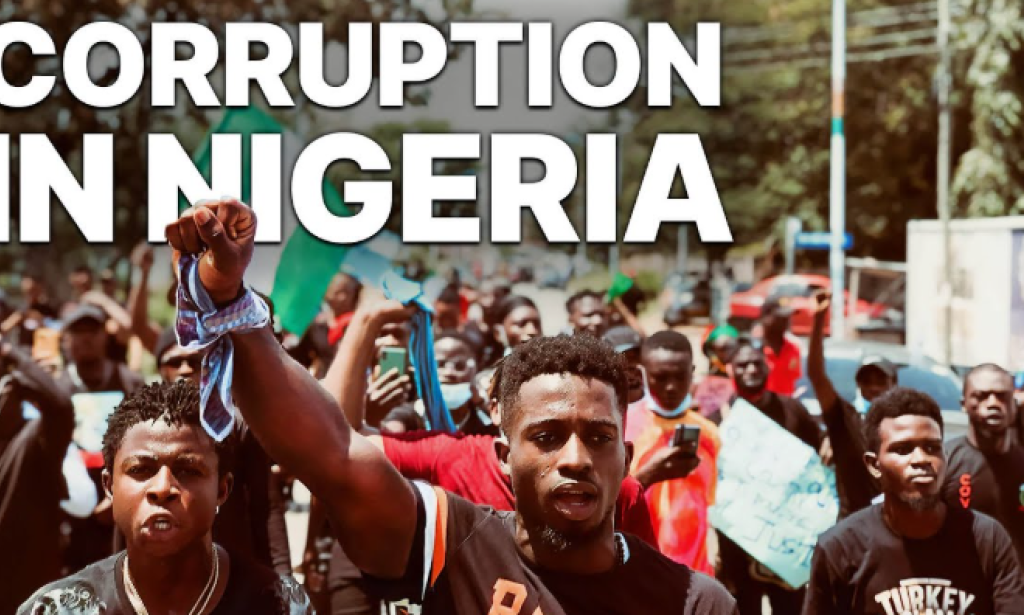
Nigeria is one of the most naturally blessed countries in the world, endowed with vast mineral resources, arable land, and a vibrant, hardworking population. Yet, despite these riches, millions of Nigerians live in poverty while a select few amass unimaginable wealth without clear sources of income. The Nigerian elite, especially those who have occupied political positions, have built massive financial empires without engaging in productive industries like manufacturing, technology, or agriculture. Their wealth is largely the product of systemic corruption, government looting, and political patronage.
For decades, politicians and their cronies have treated public office as an avenue for personal enrichment rather than a platform for service. This article delves into the primary sources of illicit wealth in Nigeria, the lack of accountability, and what must be done to salvage the nation from this cycle of self-inflicted economic destruction.
· Embezzlement and Looting of Public Funds
One of the most common ways Nigerian politicians accumulate wealth is through outright embezzlement of public funds. Government budgets are often inflated, and funds meant for developmental projects, infrastructure, education, and healthcare vanish into private accounts.
High-profile cases of government officials misappropriating billions have been reported, yet many of these officials continue to walk free. The absence of strict financial monitoring allows state governors, ministers, and legislators to loot government coffers with impunity. The result is a country where roads remain dilapidated, hospitals are under-equipped, schools are in poor condition, and basic services are unavailable, despite billions being allocated yearly for development.
· Inflated Government Contracts and Kickbacks
Another major source of illicit wealth for Nigerian politicians is the awarding of highly inflated government contracts. These contracts are often given to companies owned by politicians or their associates, ensuring that they receive massive kickbacks.
For example, a contract to build a road that should cost ₦10 billion is awarded at ₦50 billion, with the extra ₦40 billion funneled back into private pockets. In many cases, these projects are abandoned after funds have been disbursed, or low-quality materials are used to maximize profit. This explains why Nigerian roads deteriorate quickly, why power projects never seem to yield results, and why major infrastructure remains in a state of decay.
· Money Laundering and Offshore Investments
To hide stolen funds, many corrupt politicians launder their wealth through foreign banks, real estate, and shell companies. Nigerian elites own luxurious properties in London, Dubai, New York, and other global cities, yet their official salaries as public servants could never justify such extravagant lifestyles.
Money laundering has become a sophisticated operation in Nigeria, with stolen funds being routed through multiple accounts and foreign investments before being brought back into the country as "legitimate" wealth. This is one of the reasons why Nigeria struggles with capital flight—billions of dollars leave the country yearly instead of being invested in local industries that could create jobs and boost economic growth.
· Election Rigging and Political Godfatherism
In Nigeria, politics is a lucrative business, and winning elections is seen as a direct ticket to financial prosperity. This is why many politicians go to extreme lengths, including election rigging, voter suppression, and violence, to secure political office.
Behind many of these politicians are powerful "godfathers"—wealthy individuals who finance campaigns in exchange for future access to government funds and contracts. Once elected, the politician's primary duty is to repay the godfather, often by allocating government resources to him and his associates. This system has turned governance into a transactional process where public interest is sacrificed for personal enrichment.
· Oil and Natural Resource Exploitation
Nigeria’s vast oil wealth has ironically been one of its biggest curses. The mismanagement of the country’s oil revenue has led to the enrichment of a small elite while the majority suffer from economic hardship.
It seems that the norms and values surrounding corruption in the public sector create an environment where those willing to engage in corrupt practices outnumber those who aim to uphold integrity. This dynamic suggests that the system itself may incentivize unethical behavior, attracting individuals who seek personal gain over public service. Over time, this can erode trust in institutions and reinforce a culture where corruption becomes the expected norm rather than the exception. Addressing this issue requires strong oversight, transparency, and a shift in societal values to prioritize accountability and ethical governance.

You must be logged in to post a comment.